



Keyword research is the foundation of any digital marketing effort, including SEO and Pay-Per-Click advertising. Whether you are writing a blog post focusing on SEM or paying for individual keywords in Google AdWords, knowing which keywords will generate traffic, capture leads, and meet business goals is essential. As this article has demonstrated, even well-written content and designed campaigns can underdeliver when the wrong keywords are used.
The general guidelines for keyword research for SEO and PPC will be explained in this article, starting with choosing the most relevant keywords and ending with the most effective PPC bids. Now, let’s begin with the discussion of keyword research, the necessary tools, and tips for the long-term success of your key digital marketing activities. Regardless of the level of experience, every marketer should pay close attention to the keyword research process as its mastery contributes to enhanced performance. Now, let’s explain how we can do it successfully.
The Basics of Keywords in SEO and PPC
Understanding keywords’ vital role in SEO and PPC marketing techniques is critical before heading into the ‘how’ of keyword research.
In SEO, keywords can be defined as the link between the website and users who are in search of information, products, or services. Search engines such as Google, Yahoo and Bing go through your content to check how relevant it is to specific search queries. To enhance ranking, you can incorporate the right keywords in your content, making the chances of getting to the first page of SERP highly probable, hence improving traffic.
On the other hand, in PPC campaigns, the keyword dictates which ads are displayed when a user searches them. Advertisers employ auctions to buy spots pertinent to given keywords or phrases, and the individual’s ads appear whenever specific terms are searched for. Here, we should aim not just at driving clicks but also at making sure that these clicks lead to the right actions, be it a purchase, form fill, or something similar.
Keywords in SEO and PPC are highly correlated, but the way keywords are selected and the methods used to track the results are rather dissimilar. This makes keyword research a continuous activity in both traditions, as it fuels the content creation process.
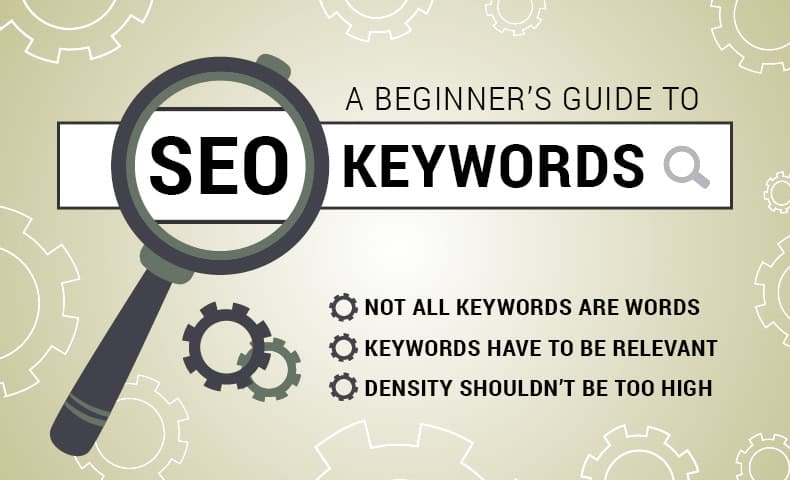
A Beginner’s Guide to SEO Keyword Research
Start with Seed Keywords
Seed keywords are the initial identification of terms you target in your keyword research. These are famous words that are very much synonymous with your business, product, or industry. For instance, if you are doing an online business selling running shoes, your seed keywords may be running shoes, best running shoes, and buying running shoes.
To generate seed keywords:
- Think about your product or services and what your audience will look for on this site.
- Visit your competitors’ websites and identify which terms they are optimizing for.
- Some other tools that can provide more ideas are Google Keyword Planner, Moz Keyword Explorer, or Ahrefs.
Seed keywords are not the keywords that will be targeted or optimized, but they will help identify more specific Lt keywords (we will discuss this further).
Analyze the Search Volume and competition
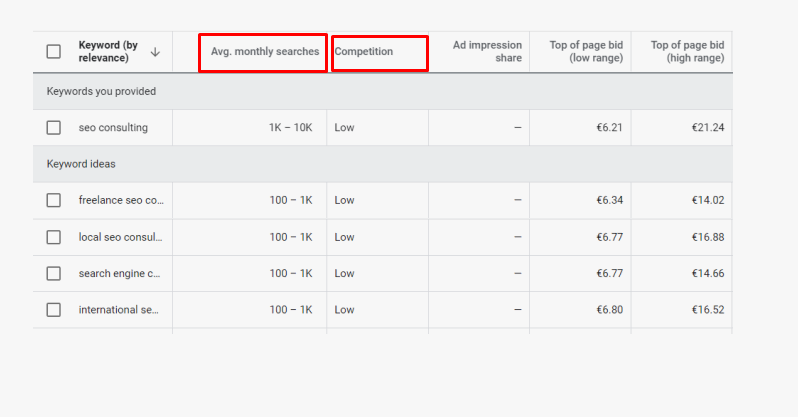
Keyword research does not end with identifying seed keywords; instead, it is followed by an evaluation of the keywords’ search volume and competition. Hence, Search volume means how many times a specific keyword is searched in a given month or any other period. Sites like SEMrush, Ahrefs, or Google Keyword Planner offer some approximate monthly search volume.
It is also essential to check the competitiveness of each keyword in terms of the overall SEO strategy. High-competition keywords require immense effort to rank or attract a very high price for pay-per-click advertising campaigns. These keywords are usually saturated by significant websites with high authority of assigned domains. So, probably, it is simpler to work with the middle or low-popularity keywords when ranking or auction possibility is incredible.
Find the golden mean between the frequency of using keywords and the competition level. You want popular keywords that do not get too much competition, which makes them easier to rank for.
Discover Long-Tail Keywords
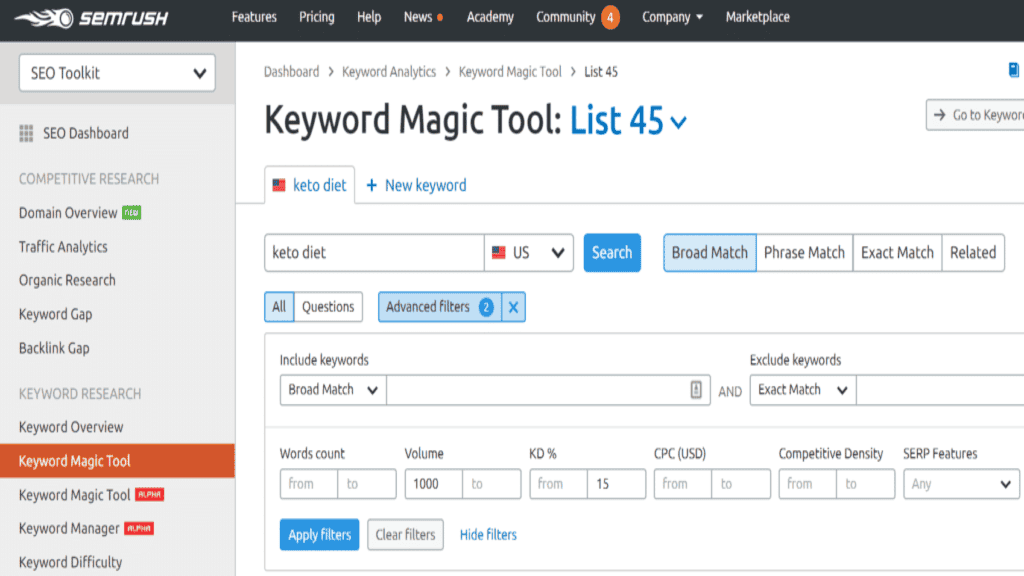
Long-tail keywords are usually words that combine to form a phrase of three or more words. Although such keywords may draw less traffic, they will likely have little competition, and the conversion rates will be higher. For example, instead of the more general term ‘running shoes’, the long-tail phrase could be ‘lightweight running shoes for women’.
Long tail keywords are much more important in SEO than broad keywords because they are more likely to describe the user’s search intent. It must also be noted that users who enter longer and more specific keywords are generally at a different stage of the buying cycle and are closer to converting. Therefore, using long-tail keywords is beneficial for increasing the quantity of visitors relevant to your site.
There are several ways to uncover long-tail keywords:
- When using Google, check for what people are typing by looking into the related searches, and people also ask for tabs.
- Another focal point is to check your web page’s internal search bar (if any) to see what your visitors are looking for.
- Using the AnswerThePublic tool, you can identify the questions people have been asking related to your seed keywords and, more often, long-tail keywords.
Analyze Search Intent
Search intent can be defined as a person’s purpose while searching for something. Is a customer interested in making a purchase, doing research, or selecting between two possible choices? Knowing and analyzing search intent is very important since it helps establish that the information you post will be relevant to users’ searches.
Search intent generally falls into four categories:
- Informational: People are searching for such queries as “How to repair a punctured tyre.
- Navigational: People want to visit a particular site, for example, “Facebook login.”
- Transactional: App users require products and services like ‘purchase running shoes online’.
- Commercial Investigation: Decision-making is no longer hasty; instead, it has transformed into something that users are taking their time to research, such as ‘best running shoes for marathons’.
When doing keyword research for SEO, ensure that you follow the right search intent for your content. Google’s search algorithm often aims to provide the best search results based on a user’s query, which means understanding intent can help achieve a high rank.
Prioritize Keywords for On-Page SEO
Once you have a list of keywords, it’s time to decide which will be used in your on-page SEO plan. First, you must divide keywords by the type of pages or content you create. If you target specific terms, your different pages should focus on other keywords, and you should avoid having general pages on your website.
For every page, choose a primary keyword and one or more secondary keywords affiliated with the primary one. Include these keywords in critical places such as:
- Title tags
- Meta descriptions
- Headers (Heading 1, Heading 2, etc. )
- URL slugs
- Full message body with no stuffing
It is the approach of using keywords in the article naturally so that search engines can easily see that your page is relevant to those terms and that your chances of ranking for those keywords are high.
Keyword Research for PPC Campaigns
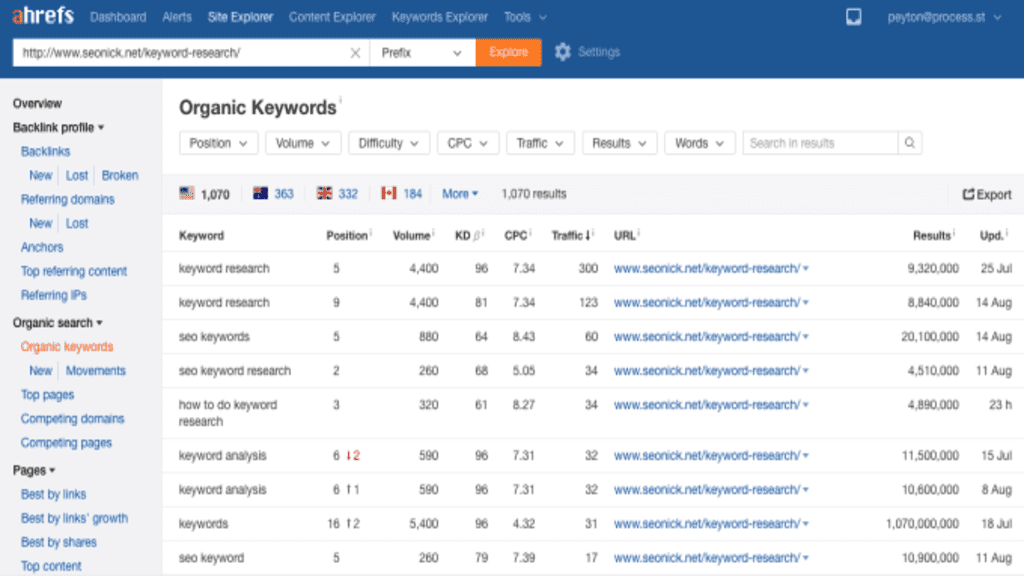
PPC keyword research is similar to SEO, but one must be more specific as you pay per click. In any PPC keyword research, the aim is not only on the generated traffic but also on the traffic likely to generate a conversion.
Determine Your Aims and Money Requirements
As any PPC keyword research is being conducted, it’s necessary to have clear goals. Do you need leads, clients, or just more visitors to your organization’s website? This is because your objectives will determine the sort of key terms that you use.
Your budget also determines the number and frequency of keywords you select. The problem with using high-volume and highly competitive keywords is that the CPC rates tend to be relatively high on this type of keyword, so you will need to set a limit on how much you want to pay per click and then work accordingly.
Utilise Keyword Tools to Identify Commercial Keywords
The next step is to use tools from PPC platforms like the Google Ads Keyword Planner tool to identify commercial terms that portray your user as ready to purchase. For instance, “running shoes.” “Running shoes on sale” Despite the slightly lower conversion rate, this phrase shows enormous commercial relevance, making users search for these words effective converters.
Google Ads Keyword Planner allows you to estimate:
- CPC: The price paid for every click of a keyword.
- Search Volume: The frequency with which the keyword is searched.
- Competition: How many other advertisers are competing for the same term?
That is why, using commercial keywords relevant to your financial capabilities and objectives, you will achieve a higher ratio of face payback or return on investment (ROI) for your PPC campaigns.
Analyze Competitor PPC Campaigns
Competitor research is beneficial in the SEO and PPC keywords research process and should be considered. With SpyFu or SEMrush’s Competitive Research tool, you can determine which keywords your competitors are bidding on and how much they are bidding for. This could be useful in identifying keyword phrases that are valuable in the context of your site that could have otherwise overlooked, not to mention help you steer clear of keyword phrases that could entail a lot of money to bid on.
Secondly, the task consists of considering the ad copy used in competitors’ ads; it may contain some information on which key phrases and messages are effective for both parties in the market, that is, your potential clients and competitors.
Keywords Sorted by Match Type
In PPC, keyword match types enable you to define to what extent a search term fits your selected keywords for displaying your ad. There are three primary match types:
- Broad Match: Display ads appear for keyword misspellings, synonyms, related terms, and modifications in your operative keyword.
- Phrase Match: The basic concept of a keyword is that ads appear for searches that include the keyword and its close variations.
- Exact Match: Ads appear when the user’s search phrase corresponds exactly or nearly to your keyword.
All the above types of matches have merits and demerits. This approach increases exposure to the targeted keywords but may yield poor-quality clicks since it does not distinguish between keywords. While this approach will likely produce a highly relevant audience, it may also result in a tiny targeted audience. Thus, using some match types in combination will assist you in fine-tuning your targeting.
Implement Negative Keywords
Negative keywords are the terms you do not desire your ads to appear on. For instance, if you offer luxurious running shoes, selecting the keyword’ cheap running shoes’ is not beneficial since users looking for affordable shoes will not be your site’s target.
Negative keywords assist in increasing the effectiveness of the PPC campaigns since they reduce wastage through the use of money without any conversions. This needs to be done and redone frequently in the process of pay-per-click optimization.
Key areas to focus on when monitoring and managing your keyword strategy include tracking performance metrics and regularly updating your keyword approach.
Keyword research is not a one-off activity. Whether doing SEO or using PPC to advertise your website, focusing on keyword performance is essential in the long run. Use tools like Google Analytics, Google Search Console, or PPC-specific tracking tools to monitor metrics such as:
- Product positioning (for SEO)
- Click-through rates (CTR)
- Conversion rates
- Cost-per-click (CPC) and return on ad spend (ROAS) for PPC
It helps you to find new opportunities, adjust your keyword list, and improve your campaigns to achieve better results regularly.
Key Takeaways
- Keyword Research is Essential: Both SEO and PPC campaigns rely heavily on proper keyword research to generate traffic, capture leads, and meet business goals.
- Seed and Long-Tail Keywords: Start with broad seed keywords to explore and then focus on more specific long-tail keywords that have higher conversion potential with lower competition.
- Search Intent is Critical: Understanding the user’s search intent (informational, navigational, transactional, or commercial investigation) is key to aligning content and ads with the target audience’s needs.
- On-Page SEO Strategy: Effective keyword placement in title tags, meta descriptions, headers, and body content enhances website ranking and visibility in search engines.
- PPC Campaign Precision: PPC campaigns require more focused keyword selection to optimize cost-per-click and conversion rates. Negative keywords help refine ad targeting.
- Competitor Analysis: Leveraging tools like SEMrush or SpyFu to analyze competitor keyword strategies helps uncover overlooked opportunities and avoid costly mistakes.
- Ongoing Monitoring: Keyword performance should be continuously tracked using tools like Google Analytics and Search Console for SEO, and PPC-specific tools to optimize campaigns over time.
- Tools for Success: Utilize SEO and PPC keyword research tools like Ahrefs, SEMrush, Google Keyword Planner, and AnswerThePublic to identify, analyze, and monitor relevant keywords.
Conclusion
Keyword research is applicable in SEO and PPC campaigns since it can help identify which keywords are relevant for a particular site. Learning how to research effectively, interpret search volumes, threats, and intents, and optimize a million more keywords will put you on the right track to increasing traffic and conversion rates.
Whether you are exploring SEO targeting strategies or running PPC campaigns, keywords will remain a critical component of your digital marketing framework, helping you reach the right audience at the right time.
Source Links
Author Profile

- Shahzada is the Founder & CEO of IT Ki Dunya Private Ltd. and a seasoned digital marketing consultant with a deep specialization in technical SEO. Since 2018, he has helped businesses optimize their online presence through strategic SEO and PPC campaigns. Shahzada’s expertise spans across SEO, digital marketing, and pay-per-click advertising, making him a trusted advisor for clients looking to improve their search engine rankings and overall digital marketing performance. Passionate about helping businesses grow, he delivers actionable insights that drive real results in a competitive market.
Latest entries
 Email MarketingNovember 25, 2024Tea Email Marketing: 7 Expert Tips to Win More Customers
 Email MarketingNovember 21, 2024Vacation Rental Email Marketing: 7 Secrets to Maximize ROI Today
 Email MarketingNovember 19, 2024Email Marketing for Jewelers: 7 Proven Ways to Shine
 Lead GenerationNovember 18, 2024Solar Lead Generation: 7 Proven Strategies for Explosive Growth